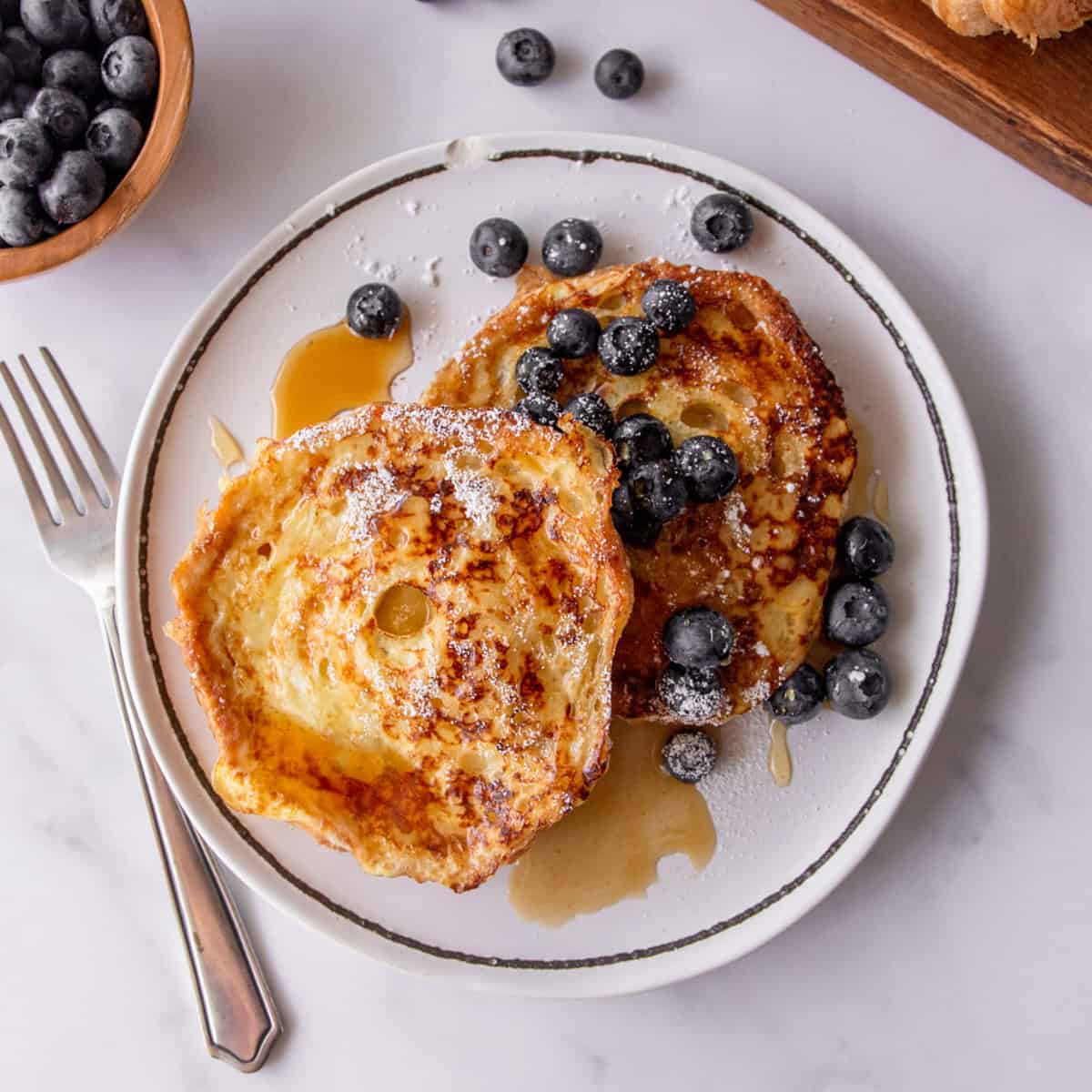
Transform Stale Croissants into Golden French Toast: A Culinary Revelation
Imagine biting into a breakfast so luxurious it transports you to a Parisian café, yet so simple to prepare it fits perfectly into your weekend routine. We’re talking about
croissant French toast – a brilliant culinary hack that elevates the classic French toast experience to an entirely new level of decadence. This isn't just about using a different type of bread; it's about leveraging the unique characteristics of a buttery, flaky croissant to create something truly extraordinary. Forget about dry, crumbly French toast; prepare for a dish that’s crispy on the outside, incredibly soft and custardy on the inside, and bursting with flavor.
This ingenious twist on a beloved breakfast staple is a testament to the power of transformation. Those slightly past-their-prime croissants, often destined for the bin or relegated to a simple butter-and-jam affair, find new life as the star of an indulgent meal. It’s a dish that whispers elegance and comfort, making it ideal for a special holiday brunch, a leisurely weekend breakfast, or even a delightful "brinner" (breakfast for dinner) that promises smiles all around. If you’ve ever wondered how to turn simple ingredients into a gourmet experience without complicated techniques,
croissant French toast is your answer.
The Secret to Unforgettable Croissant French Toast: Why Stale is Golden
At the heart of truly exceptional
croissant French toast lies a surprising hero: the stale croissant. While counter-intuitive for most baking, a slightly dried-out croissant is precisely what you need. Fresh croissants, with their tender, airy crumb and delicate structure, tend to become overly soft and even soggy when soaked in custard. They might fall apart in the pan, losing their iconic shape and desirable texture.
Stale croissants, however, are a different story. As they dry out, their structure becomes firmer, allowing them to absorb the rich, creamy custard without disintegrating. This ensures that when they hit the hot pan, they can develop that coveted golden-brown, slightly crisp exterior while maintaining an incredibly moist, custardy interior. The natural buttery richness of the croissant also plays a crucial role, imparting a depth of flavor that ordinary bread simply can't match. Each bite delivers a delightful contrast: the slight resistance of the caramelized crust yielding to a soft, almost pudding-like center infused with vanilla and cinnamon.
To prepare your croissants, aim for them to be 1-2 days old. If you only have fresh croissants, you can achieve a similar effect by slicing them in half lengthwise and letting them air-dry on a wire rack for a few hours, or even gently toasting them in a very low oven (around 200°F/95°C) for 10-15 minutes until slightly firmed up but not browned. This pre-drying step is fundamental to preventing a soggy French toast experience and unlocking the full potential of your croissants.
Crafting the Perfect Custard: A Symphony of Flavors
While the croissant provides the canvas, the custard is the masterpiece. A well-balanced custard is what transforms simple pastry into a truly decadent dessert-like breakfast. The beauty of
croissant French toast is that its custard base shares many similarities with classic French toast, making it accessible and easy to master.
Typically, the custard begins with a blend of eggs and dairy. Whole milk or a combination of milk and heavy cream works wonders, providing the richness needed to fully saturate the croissants without thinning out the flavor. The eggs bind the mixture and create that irresistible custardy texture when cooked. For every large egg, plan for about ¼ to ⅓ cup of dairy.
Flavorings are where you can truly make this dish your own. Vanilla extract is non-negotiable; its warm, aromatic notes are essential. Cinnamon is another classic pairing that complements the buttery croissant beautifully. For an extra layer of complexity, consider adding a pinch of nutmeg, a whisper of cardamom, or even a dash of orange zest for a bright, citrusy lift. A tablespoon of sugar or maple syrup sweetens the custard just enough, allowing the natural flavors to shine without being overly cloying. For adults, a subtle splash of rum, Grand Marnier, or even a coffee liqueur can add a sophisticated touch.
To prepare the custard, simply whisk all ingredients together in a shallow dish or baking pan until well combined and smooth. Avoid over-whisking, which can incorporate too much air. The goal is a homogenous mixture ready to embrace your eager croissants.
From Soak to Sizzle: Mastering the Cooking Process
Once your croissants are prepped and your custard is mixed, the magic truly begins. The soaking process for
croissant French toast is crucial. Unlike denser breads that might require a longer soak, croissants benefit from a relatively quick dip. Because of their flaky layers and slightly firmer texture when stale, they absorb the custard efficiently. Aim for about 30 seconds to a minute per side, ensuring each piece is fully coated and has soaked up a good amount of liquid without becoming saturated to the point of structural compromise. You want them heavy with custard, but still able to hold their shape.
For cooking, medium heat is your best friend. Too high, and the outside will burn before the inside cooks through; too low, and the toast will absorb too much fat and become greasy. A non-stick pan or a well-seasoned cast-iron skillet works best. Melt a pat of butter (or a mix of butter and a neutral oil like canola or grapeseed) in the pan. The butter helps create that beautiful golden crust and adds an extra layer of flavor.
Carefully place the soaked croissants in the hot pan, ensuring not to overcrowd it. Cook for 3-5 minutes per side, or until they are deeply golden brown and puffed, with a slight crispness to the touch. You might need to adjust the heat slightly during cooking to maintain an even sizzle. The internal temperature should be cooked through, and the custard set. For a visually appealing finish, you can even cook them on their sides for a minute or two to crisp up the edges. For more detailed instructions on achieving this decadent brunch staple with ease, be sure to check out our guide on
Easy Croissant French Toast: Decadent Brunch Made Simple.
Elevate Your Plate: Decadent Toppings and Serving Ideas
While
croissant French toast is undeniably delicious on its own, the right toppings elevate it from a delightful breakfast to an unforgettable culinary event. The classic pairing of freshly whipped cream and mixed berries is always a winner. The tartness of the berries provides a beautiful counterpoint to the richness of the toast, and the lightness of the cream adds a cloud-like texture.
But don’t stop there! The possibilities for customization are endless:
- Syrups: A generous drizzle of pure maple syrup is a timeless choice. Experiment with fruit syrups (strawberry, blueberry), chocolate sauce, or even a homemade caramel sauce.
- Fruits: Beyond berries, consider sliced bananas, peaches, sautéed apples with cinnamon, or a vibrant fruit compote.
- Creamy Delights: A dollop of crème fraîche, mascarpone, or even a scoop of vanilla bean ice cream can take this dish firmly into dessert territory.
- Crunch & Texture: A sprinkle of chopped nuts (pecans, walnuts, almonds), toasted coconut flakes, or a dusting of powdered sugar adds visual appeal and textural contrast.
- Savory Pairings: While sweet, croissant French toast pairs wonderfully with savory sides like crispy bacon, breakfast sausage, or even a perfectly fried egg for a balanced brunch spread.
This dish is not just for breakfast; it's perfect for a lazy Sunday brunch, a celebratory holiday meal like Mother's Day or Easter, or a comforting "brinner" with the family. The ease of preparation combined with its restaurant-quality taste makes it a crowd-pleaser for any occasion. To discover more ways to make this dish truly special for your next gathering, explore our article on
The Best Croissant French Toast for Special Occasions.
Beyond the Basics: Tips for Croissant French Toast Success
Achieving French toast perfection with croissants is surprisingly straightforward, but a few insider tips can ensure consistently spectacular results:
- Don't Rush the Staling: While you can speed up the process, air-drying croissants naturally for a day or two yields the best absorption. Patience pays off here.
- Slice for Evenness: If using larger croissants, slicing them horizontally (like a sandwich bun) can create more surface area for soaking and ensures more even cooking. Smaller, whole croissants are also delightful and create a more substantial "slice."
- Mind the Custard Consistency: If your custard seems too thick, a splash more milk can help. If too thin, an extra egg yolk can enrich it without adding too much volume.
- Batch Cooking: If serving a crowd, keep cooked French toast warm on a baking sheet in a low oven (around 200°F/95°C) while you finish the rest of the batch.
- Make Ahead Options: The custard can be prepared a day in advance and stored in the refrigerator. While soaking immediately before cooking is ideal, you can briefly soak croissants and store them in the fridge for an hour or two if you're truly pressed for time, though the texture might vary slightly.
- Reheating Leftovers: Leftover croissant French toast can be gently reheated in a toaster oven or a dry skillet to regain some crispness, though it's always best enjoyed fresh.
In conclusion,
croissant French toast is more than just a recipe; it's an experience. It's a smart, delicious way to transform humble ingredients into a show-stopping dish that delights the senses and satisfies the soul. With its golden, crispy exterior, unbelievably soft and custardy interior, and endless possibilities for customization, it’s bound to become your new favorite way to enjoy French toast. So next time you have a few leftover croissants, don't just eat them plain – give them the golden transformation they deserve and create a breakfast masterpiece that tastes like it came straight from a gourmet kitchen.