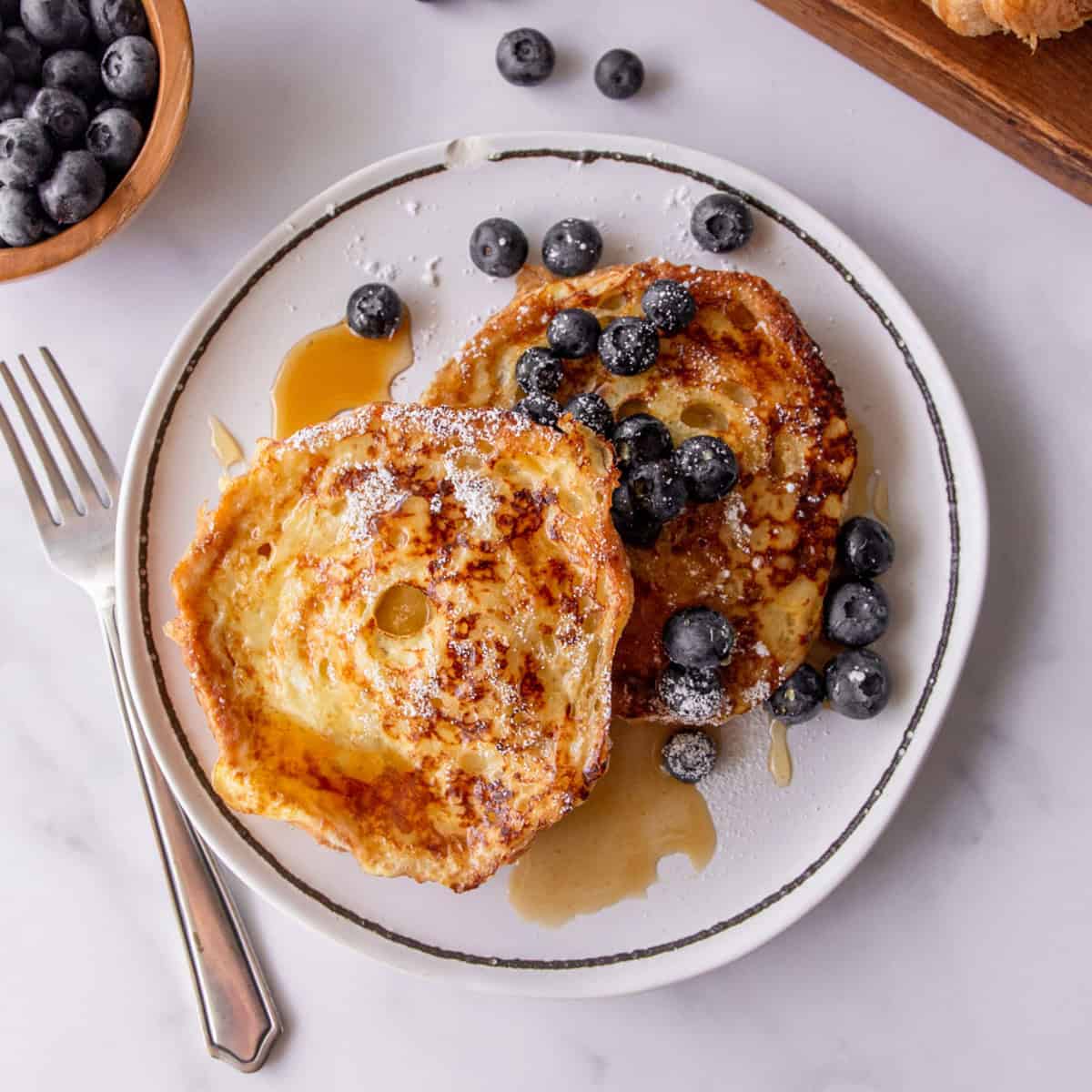
Easy Croissant French Toast: Decadent Brunch Made Simple
Imagine the crispy, golden-brown crust of perfectly cooked French toast, but instead of a standard slice of bread, it’s a delicate, buttery croissant, rich with flaky layers. This isn't just a dream – it's the culinary marvel known as croissant French toast, and it's about to become your new favorite brunch sensation. Forget complicated recipes or spending hours in the kitchen; this dish delivers restaurant-quality decadence with surprising simplicity, transforming everyday ingredients into an extraordinary treat.
Croissant French toast takes everything you love about classic French toast – the rich, custardy interior, the crisp exterior, the sweet aroma of vanilla and cinnamon – and elevates it to new heights. By using stale croissants, you unlock a depth of flavor and texture that regular bread simply can't match. It’s an indulgent breakfast or brunch option that feels incredibly special, yet is remarkably easy to whip up on a lazy weekend morning or for a festive holiday gathering. Get ready to impress your taste buds and your guests with this effortlessly elegant dish.
Why Croissant French Toast is a Game-Changer for Your Brunch Spread
At its heart, croissant French toast is a brilliant culinary hack. It ingeniously repurposes stale croissants, giving them a glorious second life beyond simply being reheated. While a fresh croissant is a thing of beauty, a slightly firm, day-old one is ideal for soaking up the luscious custard without falling apart or becoming soggy. This simple act of transformation is where the magic truly begins.
Transform Stale Croissants into Golden French Toast and witness a remarkable culinary rebirth!
One of the most compelling reasons to choose croissant French toast over its traditional counterpart is the unparalleled texture. Unlike regular bread, which can sometimes become dense or heavy when soaked, croissants maintain their inherent flakiness. The result is a French toast with an incredibly crispy, almost caramelized exterior, giving way to a light, airy, and buttery interior. Each bite offers a delightful contrast – a delicate crunch followed by a melt-in-your-mouth tenderness infused with the sweet, spiced custard. This unique mouthfeel is what truly sets it apart, making it feel less like a breakfast item and more like a gourmet dessert.
Beyond its incredible texture, croissant French toast is a masterclass in making indulgent seem effortless. Despite its sophisticated taste and appearance, the process is incredibly straightforward, requiring only a few pantry staples and a batch of croissants. It’s the kind of dish that garners rave reviews and leaves everyone thinking you’ve spent hours perfecting it, when in reality, it comes together in minutes. This makes it a perfect solution for busy parents looking for a winning "brinner" (breakfast-for-dinner) option, or anyone desiring a luxurious start to their day without the fuss.
Crafting Your Decadent Custard & Achieving the Perfect Soak
The secret to truly outstanding croissant French toast lies in two key components: a perfectly balanced custard and an optimal soaking technique. This isn't just about dipping; it's about infusing every flaky layer with rich flavor.
The Ideal Custard Blend
Your custard is the soul of your French toast. While the base is simple, a few thoughtful additions can elevate it significantly. Here’s a classic starting point, along with some tips for enhancement:
* **Eggs:** Typically 2-3 large eggs per cup of liquid provide the necessary richness and structure. Whisk them well until frothy.
* **Dairy:** Whole milk is a good standard, but for extra decadence, consider a mix of whole milk and heavy cream, or even half-and-half. The higher fat content contributes to a richer flavor and silkier texture.
* **Sweetener:** Granulated sugar is common. You can adjust the amount to your preference. A touch of brown sugar can add a subtle molasses note.
* **Flavorings:**
* **Vanilla Extract:** Essential! Pure vanilla extract makes a significant difference.
* **Cinnamon:** A generous dash is crucial for that classic warmth.
* **Nutmeg:** A small pinch of freshly grated nutmeg can add a sophisticated depth.
* **Citrus Zest:** For a brighter profile, a teaspoon of orange or lemon zest can be a revelation, especially when paired with berries.
* **A Pinch of Salt:** Don't skip this! It helps balance the sweetness and enhances all the other flavors.
Whisk all these ingredients vigorously until fully combined and slightly frothy. Ensure no streaks of egg yolk remain. For an extra smooth custard, you can strain it through a fine-mesh sieve, though this is often unnecessary if you've whisked thoroughly.
The Art of Soaking Croissants
Stale croissants are your best friend here. Fresh, soft croissants tend to get too soggy and fall apart when soaked. Day-old or even two-day-old croissants are firmer, allowing them to absorb the custard beautifully while maintaining their structural integrity and unique flaky texture.
1. **Preparation:** Slice your croissants in half lengthwise. For larger, thicker croissants, you might even tear them into more manageable pieces, ensuring more surface area for custard absorption and easier handling.
2. **The Dip:** Gently submerge each croissant half into the custard, ensuring both sides are thoroughly coated. However, unlike traditional bread, which often benefits from a longer soak, croissants require a lighter touch.
* **Quick Dip:** For a slightly crispier result with a more defined croissant texture, give them a quick dip – just a few seconds on each side is often enough to coat them thoroughly without saturating them completely.
* **Slightly Longer Soak (for softer interior):** If you prefer a more custardy, melt-in-your-mouth interior, let them soak for about 15-30 seconds per side. Be mindful not to let them sit too long, as they can become overly soft and difficult to transfer to the pan.
3. **Draining Excess:** Gently lift the soaked croissants, allowing any excess custard to drip off before transferring them to your cooking surface. This prevents a watery, scrambled-egg-like residue in your pan and helps achieve that beautiful golden crust.
Frying to Golden Perfection: Mastering the Pan and Heat
The final stage of creating your spectacular croissant French toast is the cooking process. Achieving that coveted golden-brown, slightly crispy exterior while ensuring a warm, cooked interior is key.
1. **Choosing Your Pan:** A large, heavy-bottomed skillet or griddle works best. Cast iron or a non-stick pan are excellent choices, providing even heat distribution and preventing sticking.
2. **Heat Control is Crucial:** Medium heat is your sweet spot. Too high, and the exterior will burn before the custard cooks through; too low, and you'll end up with a greasy, pale French toast. Aim for a gentle sizzle when the croissant hits the pan.
3. **Fat for Flavor and Sizzle:**
* **Butter:** Unsalted butter adds incredible flavor and helps create a beautiful golden crust. However, butter can burn easily at higher temperatures.
* **Oil:** A neutral oil like canola, grapeseed, or vegetable oil has a higher smoke point.
* **The Best Combo:** For the ultimate flavor and stability, use a combination: a tablespoon of butter with a teaspoon of oil. The oil helps prevent the butter from burning while still imparting its rich taste.
4. **Cooking Method:**
* Melt your butter/oil over medium heat until it shimmers.
* Carefully place the soaked croissant halves into the hot pan, ensuring you don't overcrowd it. Cook in batches if necessary, giving each piece enough space to cook evenly.
* Cook for 3-5 minutes per side, or until deeply golden brown and the edges look crispy. Use tongs or a wide spatula to gently flip them.
* Once cooked, transfer the croissant French toast to a wire rack set over a baking sheet in a warm oven (around 200°F / 95°C) to keep them warm while you finish cooking the remaining batches. This also helps keep them crisp.
Serving Suggestions & Taking Your Croissant French Toast to the Next Level
Once your croissant French toast is cooked to golden perfection, the real fun begins: dressing it up! This dish is inherently versatile, making it perfect for a variety of toppings and pairings, whether you're serving it for a simple weekend breakfast or a lavish holiday spread.
Classic Toppings That Never Fail:
* **Powdered Sugar:** A simple dusting adds a touch of elegance and sweetness.
* **Pure Maple Syrup:** Warm, gooey maple syrup is a timeless companion.
* **Fresh Berries:** A vibrant mix of strawberries, blueberries, raspberries, and blackberries adds freshness, color, and a delightful tartness that cuts through the richness.
* **Freshly Whipped Cream:** Light, airy, and delicately sweet, homemade whipped cream is a decadent touch that elevates the dish to dessert status.
Elevated & Creative Topping Ideas:
* **Fruit Compotes:** A warm berry compote (made by simmering berries with a touch of sugar and lemon juice), caramelized apples, or roasted peaches add depth and warmth.
* **Chocolate Drizzle:** A simple chocolate ganache or even melted Nutella can turn this into an even more indulgent dessert-for-breakfast.
* **Toasted Nuts:** A sprinkle of toasted pecans, walnuts, or sliced almonds adds a delightful crunch and nutty flavor.
* **Lemon Curd:** For a bright, zesty contrast, a dollop of creamy lemon curd is surprisingly delicious.
* **Ricotta Cheese:** A dollop of sweetened ricotta with a hint of orange zest can offer a creamy, fresh element.
* **Savory Twist (for the adventurous):** While primarily a sweet dish, a sprinkle of crispy bacon bits or a fried egg on the side can create a unique sweet-and-savory experience.
Perfect Pairings for Any Occasion:
Croissant French toast pairs beautifully with a range of beverages and side dishes. For a complete brunch experience, consider:
* **Coffee or Tea:** A strong brew or a delicate tea balances the sweetness.
* **Mimosas or Bellinis:** For a celebratory feel, these bubbly cocktails are a perfect match.
* **Freshly Squeezed Orange Juice:** A classic, refreshing choice.
* **Side of Bacon or Sausage:** The salty, savory crunch provides a wonderful counterpoint to the sweet French toast.
* **Fruit Salad:** A light, refreshing fruit salad can balance the richness of the dish.
Whether it's a cozy Sunday morning, a festive Easter brunch, or a special Mother's Day treat,
The Best Croissant French Toast for Special Occasions promises to be a memorable and much-loved addition to your table. Its adaptability and universal appeal make it a perennial favorite.
Indulgence Made Easy: Your New Favorite Brunch Staple
Croissant French toast truly embodies the best of both worlds: the decadent, buttery flakiness of a perfect croissant combined with the comforting, custardy goodness of classic French toast. It’s a dish that looks and tastes incredibly sophisticated, yet asks for surprisingly little in return. From rescuing stale pastries to transforming them into a golden, crispy, and profoundly satisfying meal, this recipe is a testament to simple ingredients yielding extraordinary results. Whether you're aiming to impress guests, treat your family to a special morning, or simply indulge yourself, Easy Croissant French Toast delivers on all fronts. So, grab those day-old croissants, whisk up a rich custard, and prepare to elevate your brunch game to an unparalleled level of deliciousness.